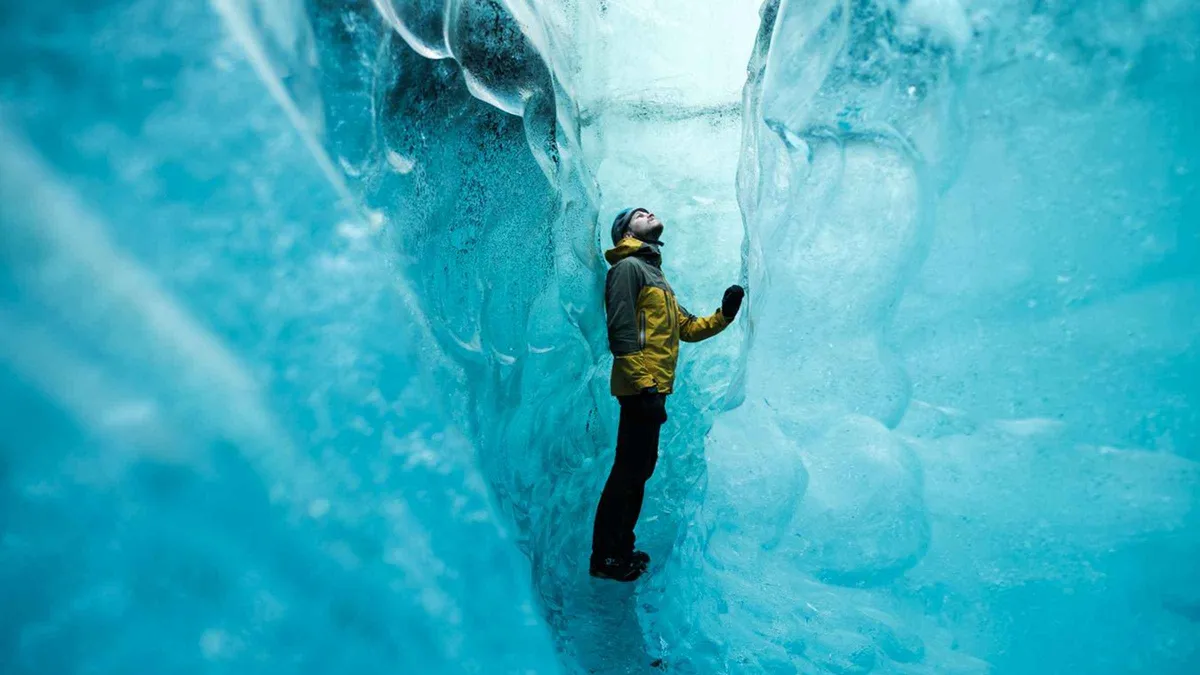
 from $161The Original — 4.6★
 Jökulsárlón: The Original Ice Cave Tour on Vatnajökull
Three hours inside the ice with the outfit that opened the first Vatnajökull cave tours, in small groups from Jökulsárlón.
Read the full guide → Check AvailabilityUnder Breiðamerkurjökull, meltwater spends every summer drilling tunnels that only hold their shape once the water stops running. That is the whole season in one sentence, and it is why the Vatnajökull ice caves take bookings from November and hand the rest of the year to glacier hikes.
Updated July 2026
Quick answer
The natural ice caves inside Vatnajökull are open from November through March and shut the rest of the year, so a July booking gets you a glacier hike rather than a cave. Cave tours cost $161 to $170.51 per person and run 2.5 to 4 hours, meeting at the Jökulsárlón lagoon car park or the Skaftafell base camp. Glacier hikes on the same ice run every month from $97.
Key takeaways
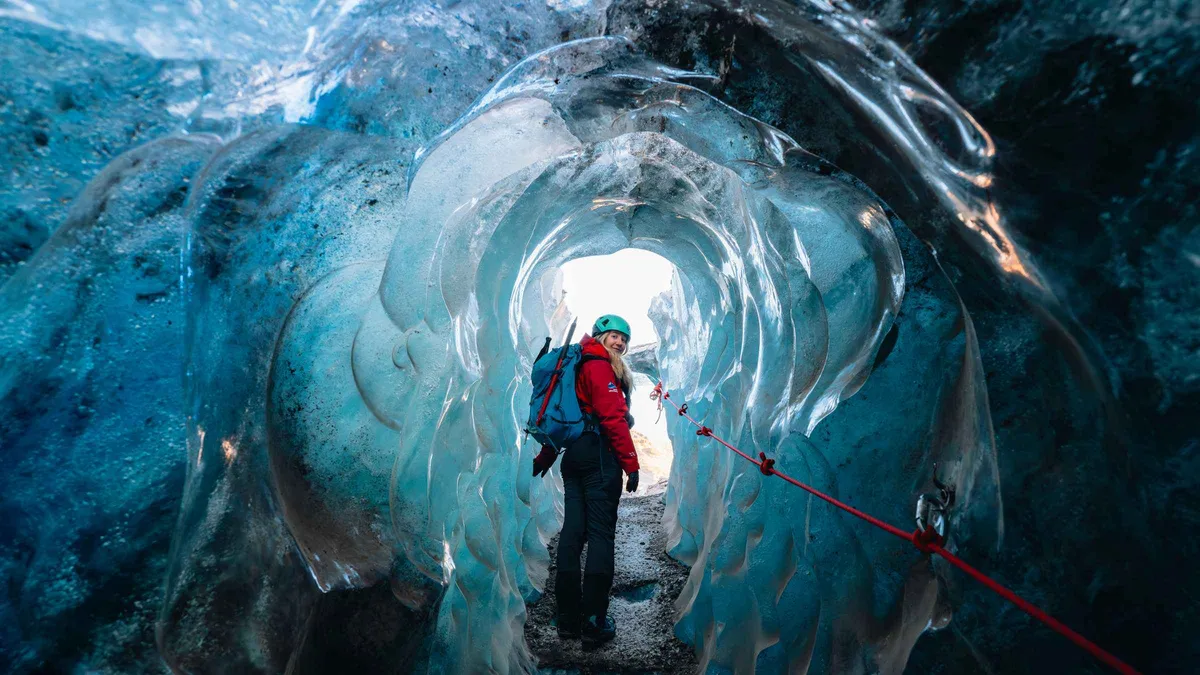 top pick
 The One Ticket That Covers Both
Explore a breathtaking blue ice cave and hike across Falljökull Glacier in Vatnajökull National Park. Experience Iceland’s frozen beauty on this extraordinary guided adventure.
Live availability for the $164.83 cave and hike on Falljökull. Winter mornings sell out first at weekends and across the Christmas fortnight, and guides reassess every cave the morning of the tour.
Every one of these enters a natural cave on an outlet glacier of Vatnajökull, and every one runs from November to March. Two meet at the Jökulsárlón lagoon car park and continue by super jeep; the shortest gives you two and a half hours door to door. Prices sit within ten dollars of each other, so pick on cave and departure time, not price.
from $161The Original — 4.6★ Three hours inside the ice with the outfit that opened the first Vatnajökull cave tours, in small groups from Jökulsárlón.
Read the full guide → Check Availability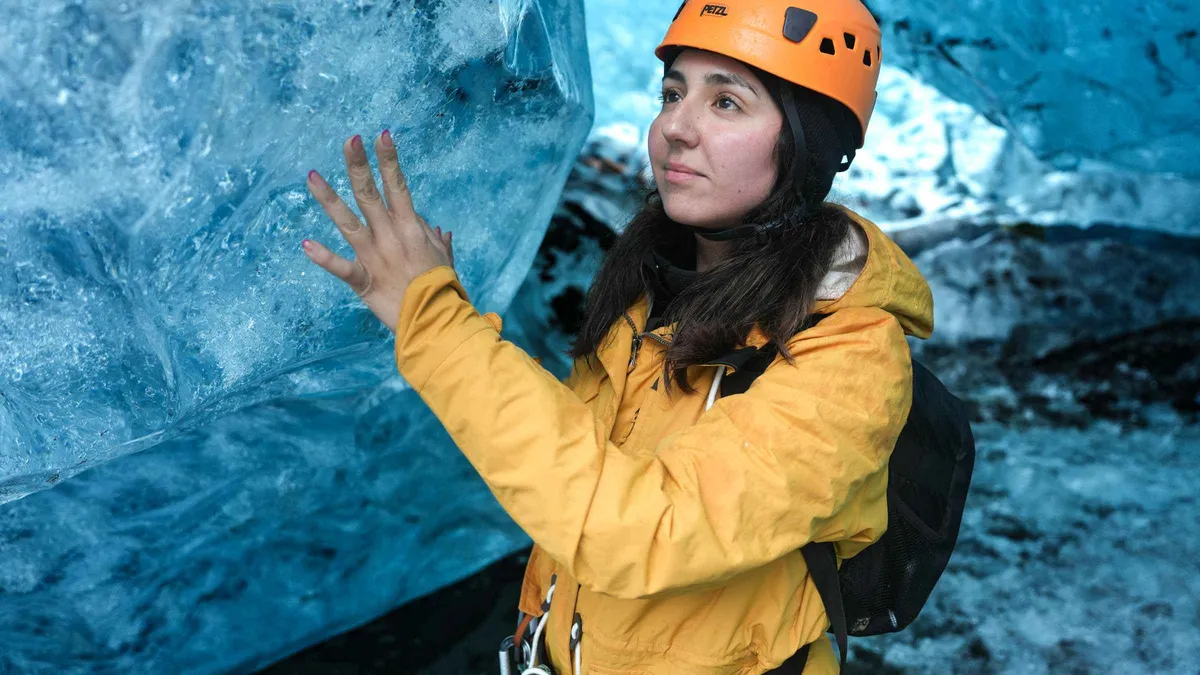 from $164Most Reviewed — 2,171 Reviews
 The high-volume cave tour from Jökulsárlón: a trek across the glacier's edge and into the blue ice beneath it. Three hours, larger groups.
Read the full guide → Check Availability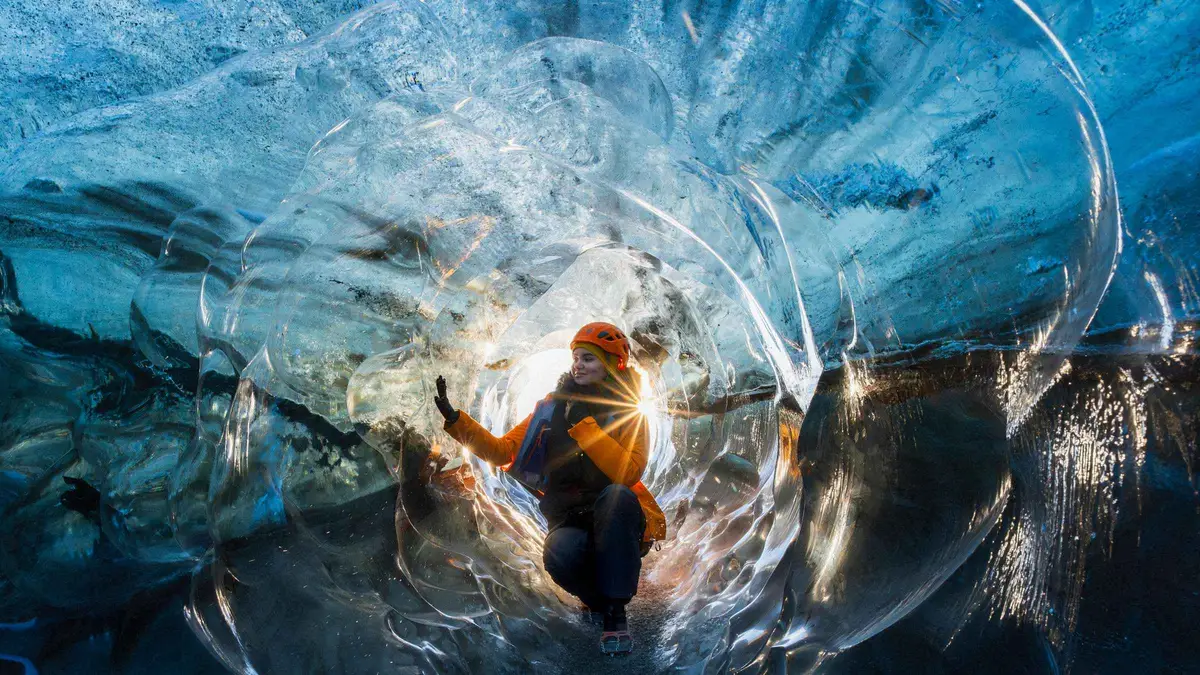 from $170.51Shortest — 2.5 Hours
 The quickest cave trip here: a super jeep up onto Breiðamerkurjökull and into the crystal cave, in small groups.
Read the full guide → Check Availability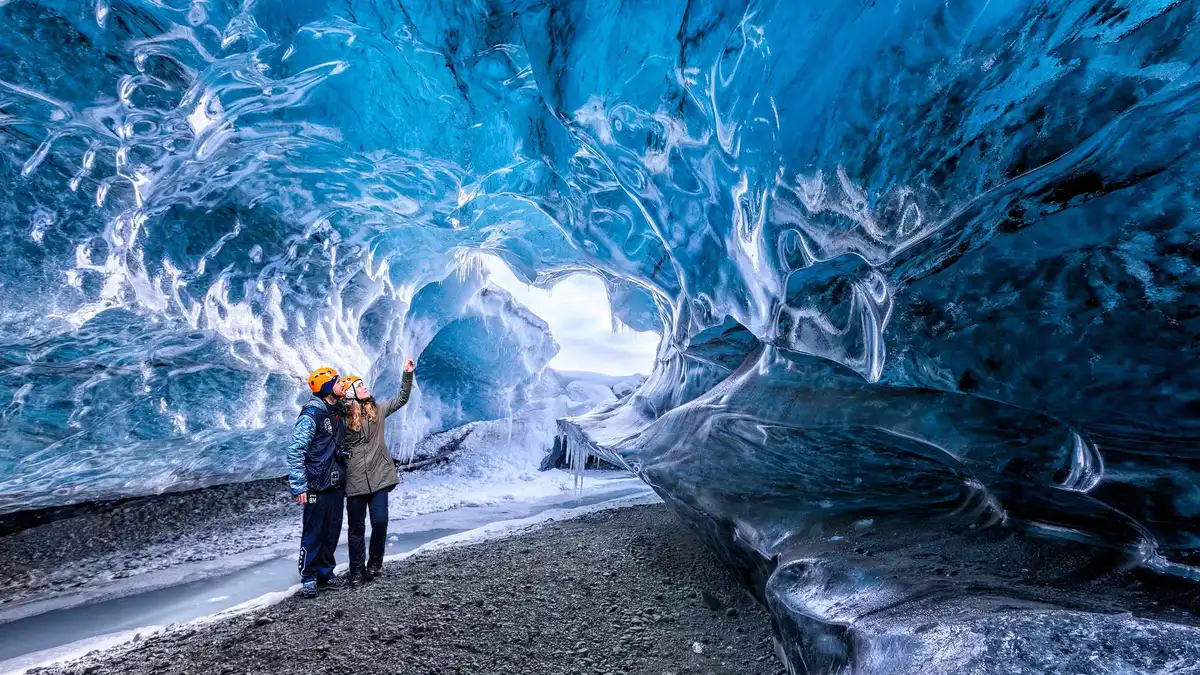 from $170.51Crystal Blue Cave — 4.5★
 The same super jeep route to Breiðamerkurjökull's crystal cave, half an hour longer and better rated than the listing above.
Read the full guide → Check Availability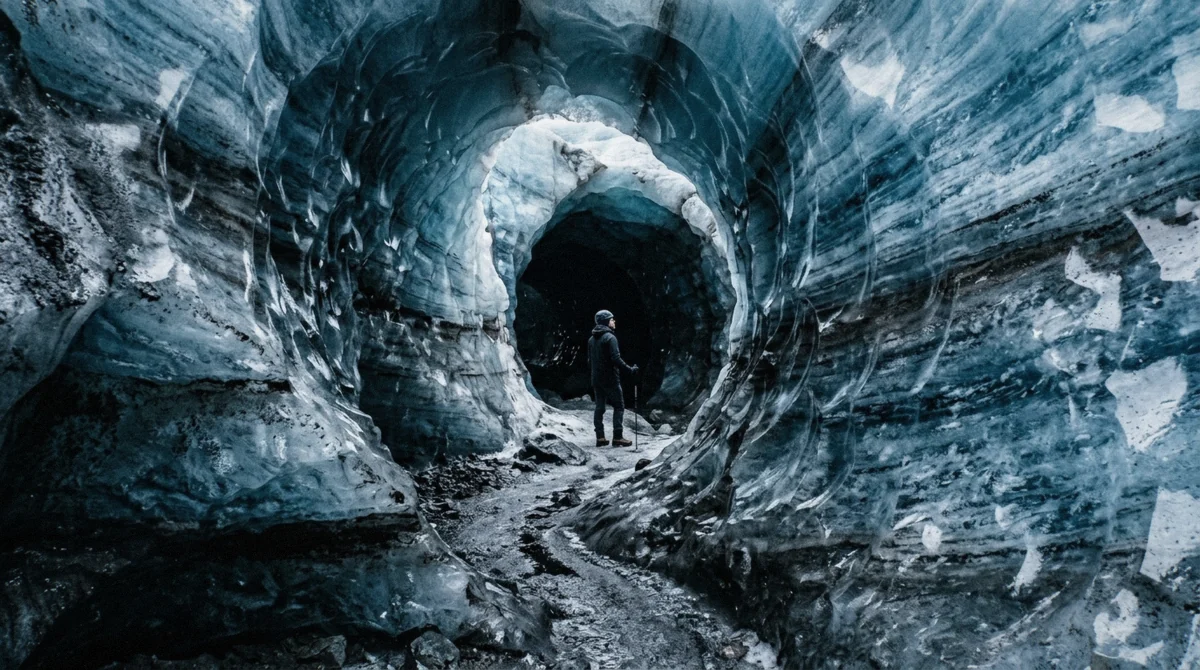
Natural ice caves in Vatnajökull take visitors from November until the end of March, and the exact edges of that window move with the weather. Operators publish dates in September or October, once guides have been inside. Book a cave for October and you will not find one on sale; book for April and you are looking at last-minute closures as the ice starts to run again.
The only Icelandic cave that breaks this rule sits under a different glacier, and it comes up further down this page.
The caves are drainage channels. Through summer, meltwater runs over the surface of Vatnajökull, drops through shafts and carves tunnels along the bedrock until it escapes at the glacier snout. That flow peaks in July, and while it is running the tunnel is a river with no headroom.
In autumn the water drops away and stops, the roof refreezes and holds its shape, and what is left is a chamber you can walk into. Nobody builds a cave here. The glacier writes one every year and takes it back.
Scouting starts once the meltwater has gone, in practice during the first half of September and often right after a storm has flushed the channels. Guides walk the outlets, crawl into what has opened up, and judge the roof and the ice above the entrance before anything is sold. Some years the good cave is a short walk from the lagoon.
Other years it sits an hour of super jeep track away, or the best chamber from last winter has collapsed into a hole. This is why no operator will name your cave when you book.
Iceland gets thaws in the middle of winter, with rain and strong wind arriving off the Atlantic. Water starts moving through the channels again, the cave floods, and the site closes for the season with no warning. Guides check conditions every morning before a group goes in and cancel the departure when the reading is wrong.
Two things follow from that. Book your cave early in your trip rather than on your last morning, and treat the free cancellation window as the safety net it is.
Spring melt reopens the drains, roofs thin out and entrances slump. Operators close cave departures and switch the same guides onto glacier hikes, which run every month of the year. If you are in Iceland between April and October, the honest answer is that you cannot enter a natural cave inside Vatnajökull.
What you can do is walk on the ice that makes them, look into crevasses and blue-ice hollows, and pay half the price.
The same channel is a river in July, a chamber in January and a memory by May. This is the cycle every Vatnajökull ice cave runs through.
Surface melt drops through shafts and runs along the bedrock, widening a channel toward the snout. Flow peaks in July. Nothing is enterable while the river is in it.
With the water gone, guides crawl the drained channels, usually in the first half of September and often after a storm. They test the roof and the ice above the entrance before any date goes on sale.
Cold locks the roof in place and tours run. Conditions are read again each morning, and a departure closes when the ice fails the check rather than when the forecast looks poor.
Spring melt refills the drains, roofs thin and entrances slump. A mid-winter thaw can bring this forward and flood a cave in January. Guides move to glacier hikes, which run all year.
Cave locations change from one season to the next, so an entrance photographed in a blog post two winters ago may no longer exist.
This is the question people ask most, and the answer is a calendar rather than a preference. Katla sits under Mýrdalsjökull near Vík, roughly 200 km west of the Vatnajökull caves, and it is the one natural cave in Iceland that stays open through summer. The ice reads differently in each: clear blue at Vatnajökull, black ash layers folded through the roof at Katla.
| Cave | Glacier | Season | Book | Ice | Nearest base |
|---|---|---|---|---|---|
| Vatnajökull caves | Breiðamerkurjökull and Falljökull | November to March | Clear compressed blue, no ash | Jökulsárlón or Skaftafell | |
| Katla cave | Mýrdalsjökull | All year, including July | Black volcanic ash through pale blue | Vík | |
| Man-made ice tunnel | Langjökull | All year | Cut by machine, lit inside | Húsafell |
These are not cave tours and no operator will pretend otherwise. They put you on the same outlet glaciers with crampons on, walking past crevasses, sinkholes and blue-ice hollows, and they run in July as readily as in February. Six of them start between $97 and $134.10, which is around $60 less than a cave. The Blue Ice Maze on Falljökull is the closest thing to a cave without one: a natural labyrinth of crevasse walls you walk between.
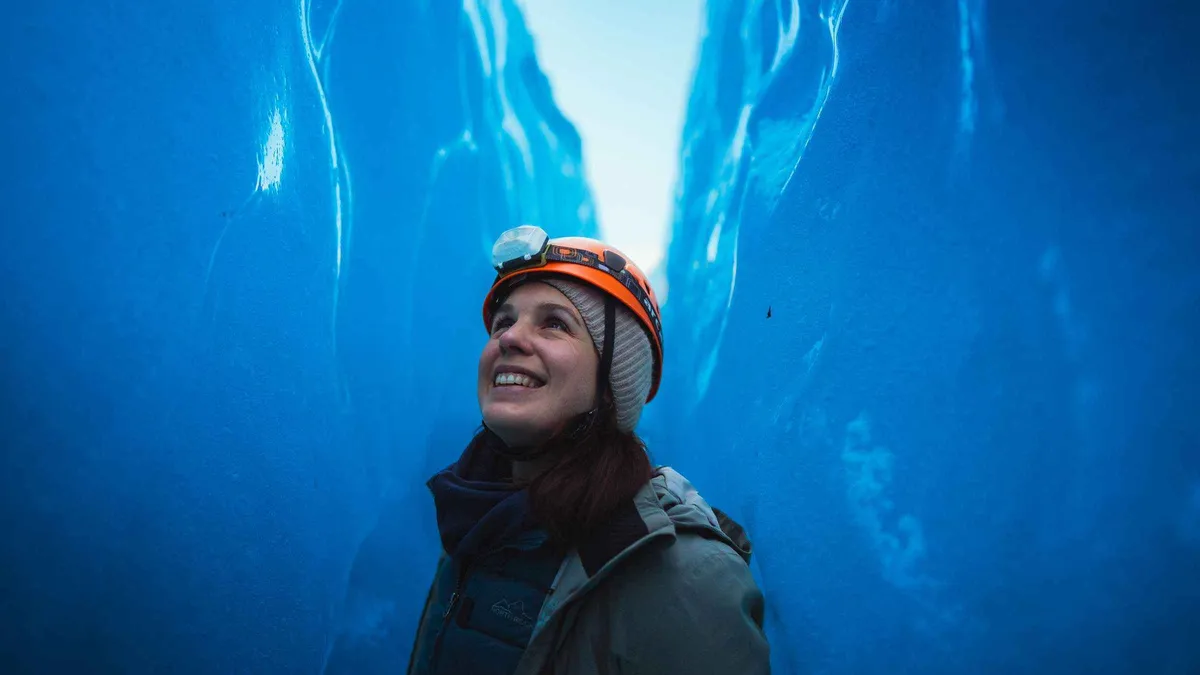 from $103.44Best Rated Hike — 4.8★
 A small-group glacier hike from Skaftafell over blue ice and crevasses. No cave, and the best-rated walk on this page.
Read the full guide → Check Availability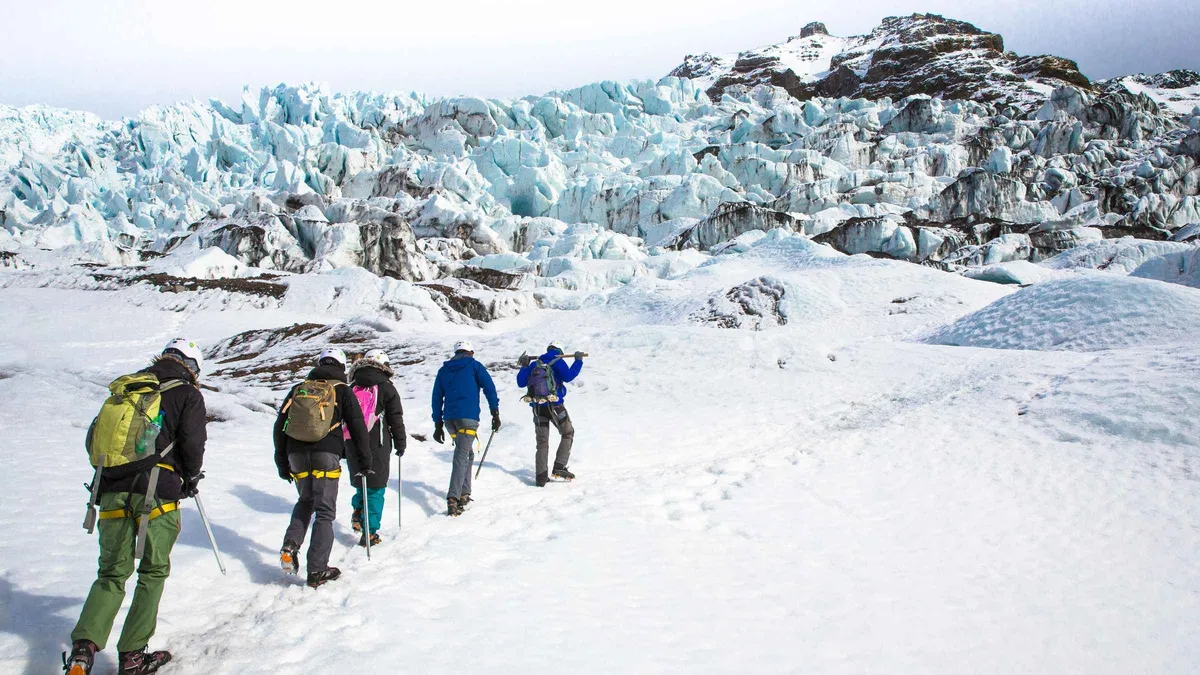 from $98.82Most Reviewed Hike — 1,339 Reviews
 A beginner-friendly walk up Falljökull, one of Vatnajökull's tongues, for under a hundred dollars. Four hours, crampons and axe supplied.
Read the full guide → Check Availability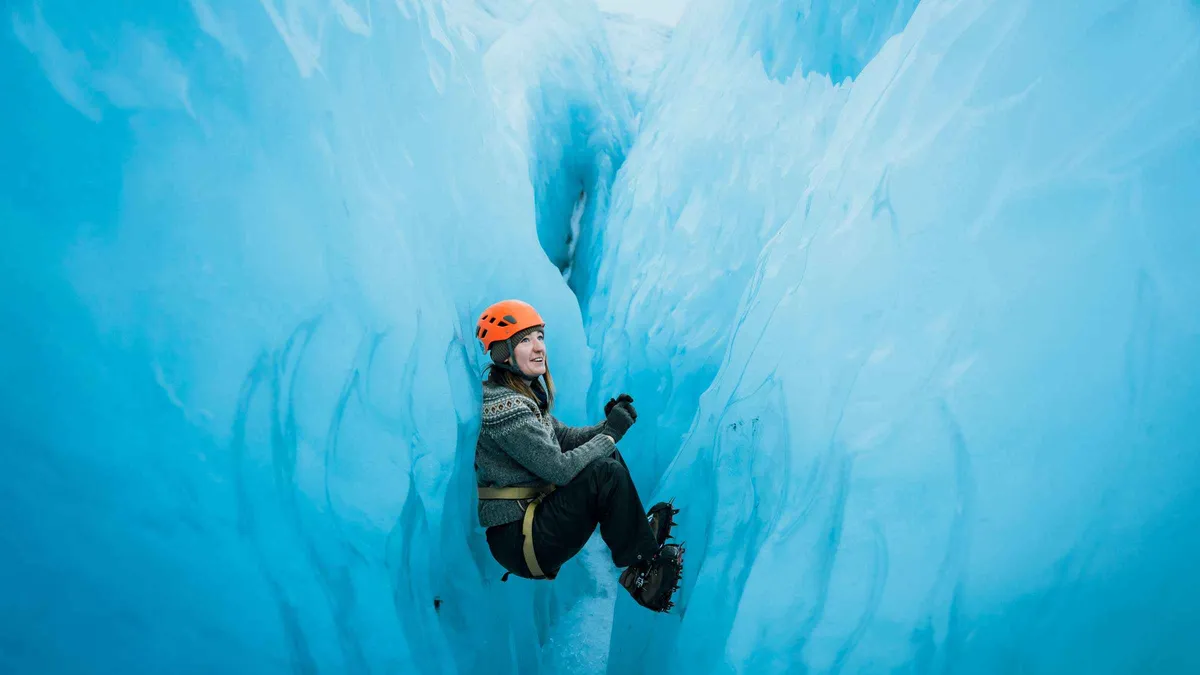 from $125.50Ice Maze — Small Group
 The labyrinth section of Falljökull on a small-group hike: narrow blue ice corridors rather than open glacier. Four hours.
Read the full guide → Check Availability from $134.10Starts at the Glacier Lagoon
 Four and a half hours on the ice starting from Jökulsárlón rather than Skaftafell, walking among the crevasses of Breiðamerkurjökull.
Read the full guide → Check Availability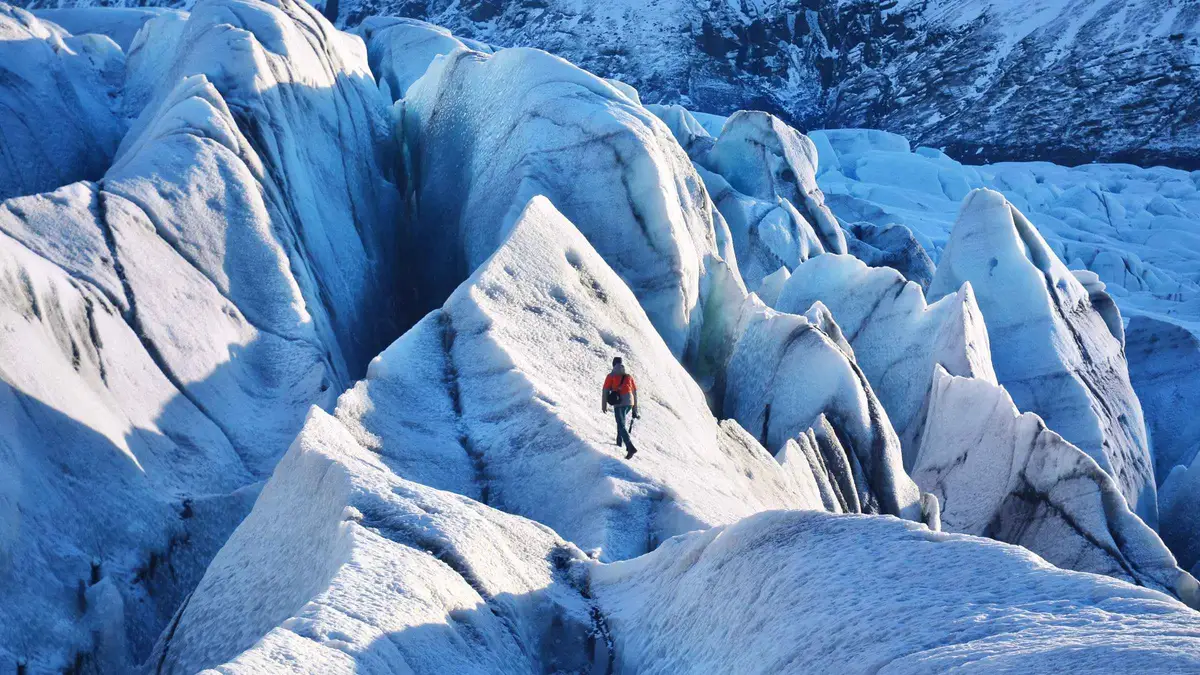 from $97Lowest Price — 3 Hours
 The cheapest way onto Vatnajökull: three guided hours on the Skaftafell ice among blue crevasses and ridges, crampons included.
Read the full guide → Check Availability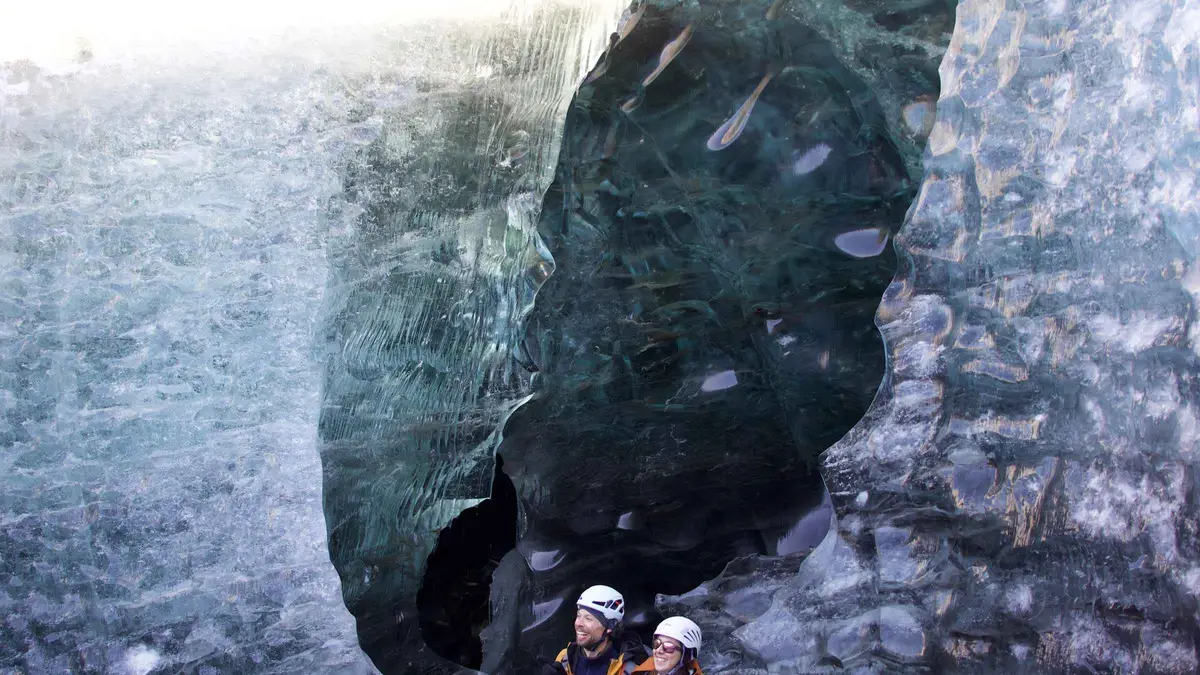 from $130.73Easy Level — Super Jeep Access
 Super jeep from Jökulsárlón to the foot of Breiðamerkurjökull, then an easy three hours on the ice. The gentlest hike listed.
Read the full guide → Check AvailabilityFour names come up again and again in photos and trip reports from this glacier. Knowing which is which helps, though no operator can sell you a specific one: guides take the group to whatever chamber is safe that morning.
Named for how clear the ice runs. The best known cave in southeast Iceland and the one most photographs on this subject were taken in.
A long, winding passage rather than a single chamber, which is where the snake got into the name.
Reached across the ice on foot. Low passages inside mean crawling in places, with only inches of clearance at the tightest point.
Found in 2023 and running about 30 metres deep, which made it one of the more substantial finds of that season.
Guides scout and name new caves every autumn. A cave that carried one of these names last winter may be gone this one.
The ice cap you are booking a tour on is the largest in Europe by volume, and its scale explains why the caves keep reappearing in different places each year. The national park around it covers about 14% of Iceland, making it the second largest in Europe, and UNESCO added it to the World Heritage list on 5 July 2019 for the way fire and ice have reshaped this ground within recorded history.
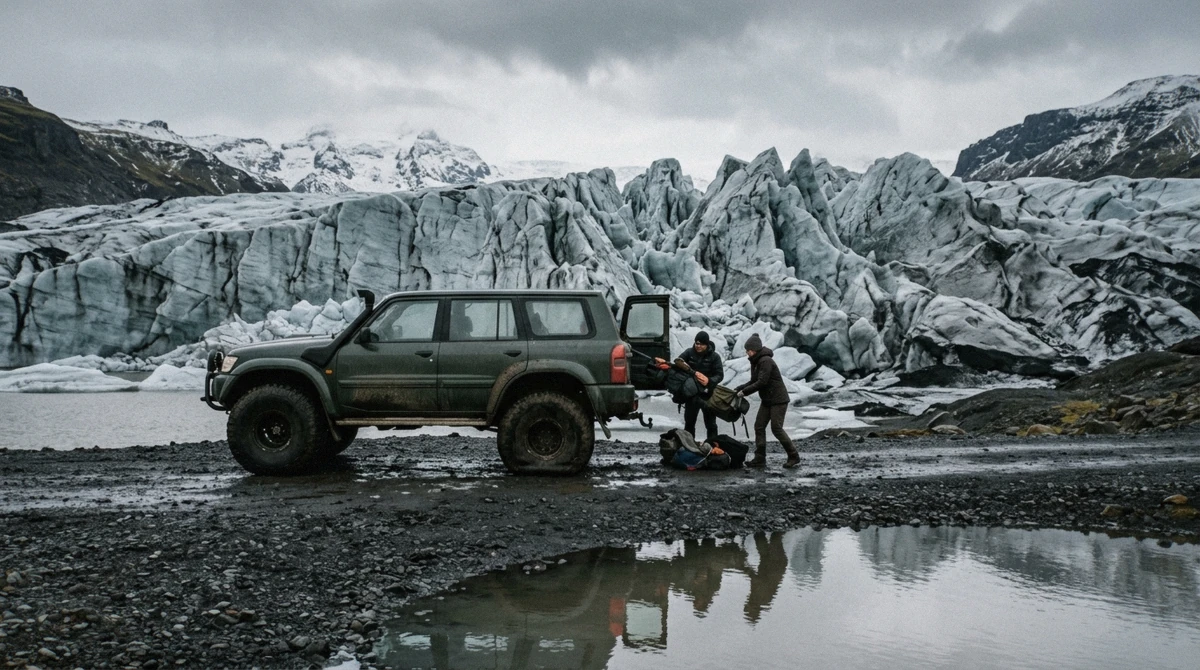
You meet at a car park, not a visitor centre. At Jökulsárlón the group gathers by the lagoon and transfers into a modified super jeep with tyres deflated for the gravel; the drive to the glacier edge takes 20 to 40 minutes depending on which cave is in use that week. Skaftafell runs a base camp with a shuttle to the foot of Falljökull.
Both hand out crampons and a helmet before you set foot on ice, and both fit them on you rather than leaving you to it.
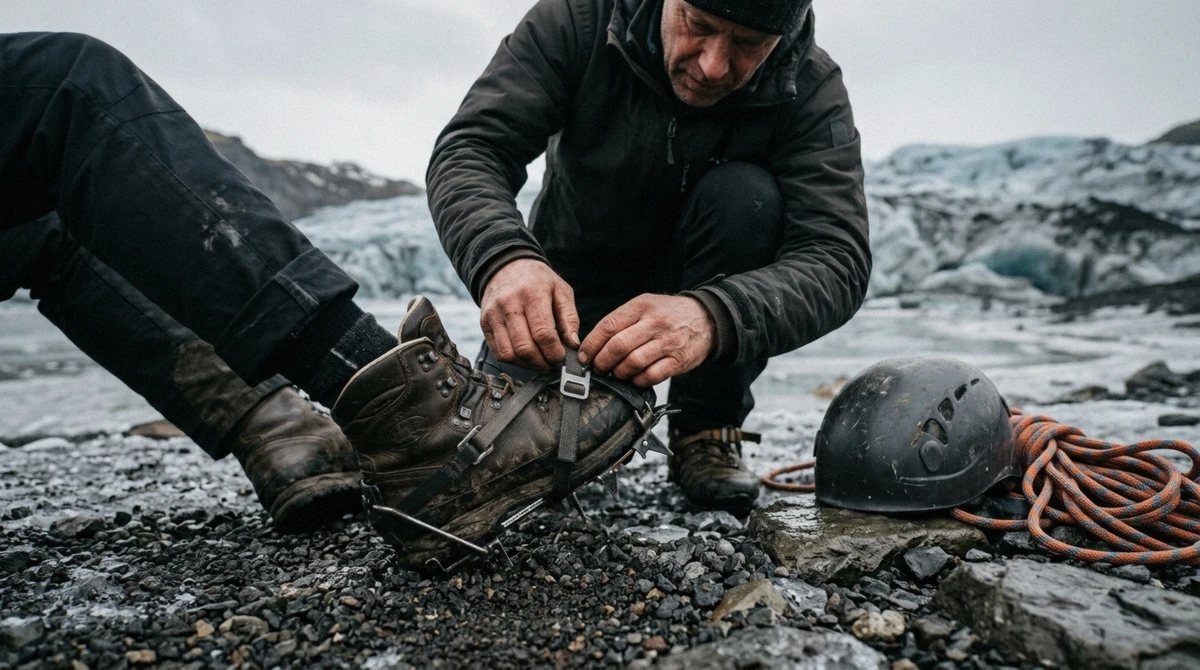
Steel points bite into glacier ice with a crunch that feels wrong for the first few steps, then stops being a thought. Guides walk you through the technique on flat ice: weight through the whole foot, short steps, no shuffling. On the hiking tours you also carry an ice axe and clip into a harness, and the group moves in a line the guide has scouted.
Nobody needs prior experience for any tour on this page.
Cave time runs shorter than people expect: 20 to 40 minutes inside for most groups, which is what fits into a 3-hour tour once you count the drive and the walk. Some entrances are a walk-in arch. Others mean climbing over a lip of ice or crawling under one, and the tighter chambers leave inches of clearance overhead.
The ice reads deep blue where it is thickest and clear as glass where it has been polished by water, and photographs of it oversell the colour more than they oversell the size.
Snow that fell centuries ago has been squeezed under its own weight until the air bubbles are gone. Bubbles are what make ordinary ice look white, because they scatter every wavelength back at you. Take them out and light travels deep into the ice instead, losing red on the way, so what comes back to your eye is blue.
Denser and older ice reads bluer, which is why the strongest colour sits in the walls rather than the ceiling.
Wind is the usual reason a departure dies, and it can shorten a tour that has already started: guides turn groups back from the upper glacier when it gets bad, and you see less cave. Rain during a thaw closes caves outright. Fog costs you the views without costing you the cave.
None of this is unusual on Vatnajökull, and every tour here refunds in full when the operator cancels.
Everything on this page happens along a 90 km stretch of Route 1 in the southeast, between Skaftafell and the Jökulsárlón lagoon. Reykjavík is a five-hour drive west of the lagoon, which is the single fact that catches most people out.
At 64 degrees north the working day shrinks to about four hours of light around the solstice, which is the practical limit on when cave departures can run. Bars show average daylight; the figure underneath is the average daytime high in the Skaftafell and Höfn area.
December departures start after 11am and finish before dark. February onward buys you a second departure slot and the same cave.
We thoroughly enjoyed our trip! Our guide, he was the best! He took pictures of us in the ice cave and took us higher up on the glacier than planned. When reindeer were near the vehicle on the drive in and out, he stopped and let us out for photos. We loved every minute. Very educational too.
The hikes to and from the ice cave on the glacier were great with magnificent view of the glacier and snow capped mountains. The experience in the ice caves was surreal and the different caves had its own unique features. The ice was so beautiful.
Everything was excellent. The Guide Guillaume was outstanding, the perfect balance between clear explanations and a friendly, fun approach. We were also very lucky to have a sunny day, which made the experience even more enjoyable. Overall, everything was very well organised.
Amazing hike up onto the glacier, looking into features on the glacier. Our guide was very informative and looked after our safety really well. We had never been on a glacier before or worn crampons but the guide made sure that we were ok.
Walking on the glacier felt like being on another planet. The entire tour was perfectly organized, safe, and easily one of the main highlights of our trip to Iceland. A huge thank you to our amazing guide, Marketa!
It was an unforgettable experience […] But what truly made it stand out was our guide Guillaume. He was very knowledgeable and sharing fascinating insight. He was also genuinely helpful and attentive, always making sure everyone felt comfortable and included.
Quotes come from the GetYourGuide listings for the tours on this page, reproduced as written and shortened with an ellipsis where marked.
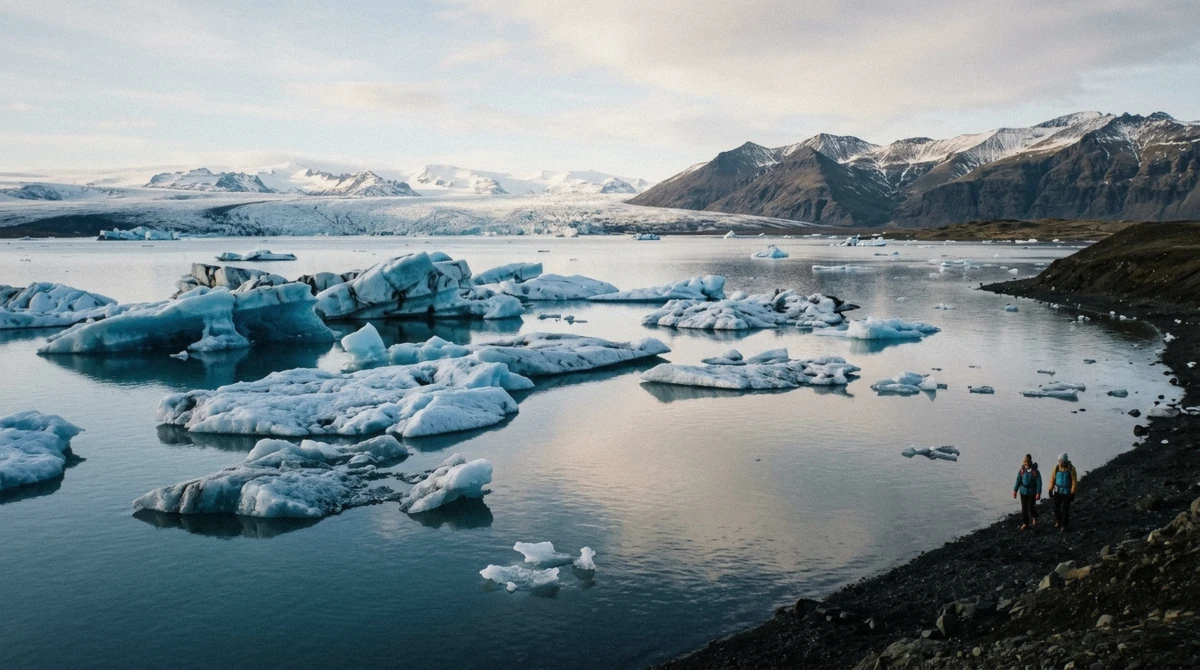
Skaftafell and Jökulsárlón both sit on Route 1 in the southeast: four hours from Reykjavík to the base camp, five to the lagoon. No scheduled public transport reaches either meeting point, so the practical options are a rental car or an organised transfer. Kirkjubæjarklaustur, 70 km west of Skaftafell, and Höfn, 130 km east, are the two towns most people sleep in.
Winter driving here means checking road.is the night before and again at breakfast.
Crampons need a stiff sole and an ankle to clamp onto, which rules out trainers. Waterproof hiking boots above the ankle are the one item you must supply, and both base camps rent them if you have not packed a pair. Everything else on the ice comes with the ticket: crampons, helmet, and a harness and ice axe on the hiking tours.
Layers work here: a base layer that moves moisture, a fleece or light down over it, and a waterproof shell on top. Add waterproof trousers, warm gloves and a hat. Jeans are the standard mistake, because wet denim on a glacier in a 15 m/s wind stops being funny within the hour.
Sunglasses earn their place on a clear day, when the glare off the ice is severe.
The Skaftafell glacier hike takes a minimum age of 10 and is rated moderate, built for people who have never worn crampons. Cave tours ask less of you on the walking and more on the getting-in, since some entrances involve stooping or a short crawl. Anyone comfortable on a two-hour country walk manages either.
Tell the operator in advance about knee or back problems, and they will tell you honestly which cave suits.
Most cave departures leave between 9am and 1pm, and in December that first slot is barely after sunrise. Driving from Reykjavík on the morning of a tour means starting at four in the dark, on a road that closes for wind. Höfn, 130 km east of Skaftafell, has the widest choice of rooms and a harbour worth an evening.
Kirkjubæjarklaustur, 70 km west, is smaller and cheaper and puts you an hour from either meeting point. Guesthouses scattered along Route 1 between the two fill up months ahead for the Christmas fortnight and the February half-term.
A 3-hour cave tour leaves most of the daylight unused, even in winter. Jökulsárlón sits at the meeting point itself, and Diamond Beach, where the icebergs wash back ashore black-sand side up, is a two-minute drive across the bridge. Skaftafell has the Svartifoss walk from the same car park, an hour up and back past basalt columns.
Do not plan on driving west to Vík and back after a morning cave: it is 200 km each way and the light will be gone.
An ice cave should not be entered without a certified glacier guide and the gear that goes with one. The roof is a structure the glacier is actively rebuilding, and the ice above an entrance can let go without a sound. Guides assess each cave before the day's first group, and they close sites that fail the check.
That daily reading is most of what you are paying for, and it is the reason the price sits at $161 rather than nothing.
Listings say ice cave, not Crystal or Anaconda, because guides take the group to whichever chamber passed inspection that morning. Book the operator and the glacier. The photograph on the listing is from a cave that may no longer exist.
The four cave tours sit between $161 and $170.51, a spread of under ten dollars for the same activity. Choose on departure time, group size and where you are sleeping, and stop optimising for price.
Ratings here run 4.2 to 4.8, and the gap mostly reflects how big the cave was that week rather than how good the operator is. A 4.2 built on 2,171 reviews tells you more than a 4.8 built on 30.
Wind and thaw close departures with little notice. Put the cave on your first free morning in the southeast and you keep a second chance. Put it on your last and a cancellation leaves you with a refund and no cave.
From April to October the glacier hikes are what exists, and they cost $97 to $134.10. You walk the same ice, look into crevasses and blue hollows, and skip the crawling. The Blue Ice Maze gets closest to the cave feeling.
All eleven tours here cancel free up to 24 hours ahead and take no payment at booking. On a glacier where the operator may cancel on you, that window is worth more than any price difference on this page.
Season and ice. The Vatnajökull caves are cut into Breiðamerkurjökull and Falljökull in the southeast and run from November to March, with clear blue compressed ice and no ash in it. The Katla cave sits under Mýrdalsjökull near Vík, about 200 km west, and stays open all year including July, with thick black volcanic ash folded through pale blue ice. If you are travelling in summer, Katla is the only natural cave open to you. If you are travelling in winter and want the blue ice from the photographs, that is Vatnajökull.
Vatnajökull is the largest ice cap in Europe by volume, holding more ice than all the glaciers of mainland Europe combined, and it covers about 8% of Iceland. The caves are not inside the main body of it. They form near the snouts of its outlet glaciers, where meltwater drains out, so a cave tour takes you into the last few hundred metres of ice rather than under the middle of the ice cap.
For blue ice between November and March, the Breiðamerkurjökull caves reached from Jökulsárlón, from $161 for three hours. For a cave and a proper glacier hike in one ticket, the Skaftafell blue ice cave on Falljökull at $164.83, rated 4.6 from 848 reviews. For a summer trip, the Katla cave under Mýrdalsjökull, since nothing on Vatnajökull is open. There is no single best cave, because the caves change every year and the right one is set by your month and your route. We break down the Skaftafell cave and hike in detail separately.
Skaftafell is about four hours from Reykjavík on Route 1, and the Jökulsárlón lagoon is about five, roughly 380 km. No scheduled public transport runs to either meeting point, so plan on a rental car or a transfer. Most people booking a cave sleep in the southeast the night before, in Höfn, Kirkjubæjarklaustur or one of the guesthouses along the road, rather than driving from the capital on the morning of a tour.
Departures normally start in November and run through March, and operators confirm dates in September or October once guides have finished scouting the new caves. The exact opening depends on how fast the meltwater stops and the roofs refreeze, so a cold autumn brings it forward and a mild one pushes it back. Cave dates for a given winter go on sale a few weeks before the first departure, and the first weekends sell out first. Here is what leaves the Jökulsárlón car park once they do.
No. An ice cave must never be entered without a certified glacier guide and proper safety gear. Entrances move every season, roofs collapse without warning, and the drive to most caves crosses unmarked glacier track that ordinary rental cars are not insured for. Guides check each cave before the first group of the day and close the ones that fail. That inspection is the substance of what a $161 ticket buys. We set out what you can reach on your own separately.
The Crystal Ice Cave is the best known cave in southeast Iceland, formed in Breiðamerkurjökull above the Jökulsárlón lagoon, and named for how clear its ice runs. Most photographs captioned crystal ice cave were taken there. We cover both super jeep tours that run to it on their own page. It is not a permanent feature. The chamber that carried the name last winter may have collapsed, and guides use the name loosely for whichever clear-ice cave they are running that season.
Yes, and the hikes stand on their own. You put on crampons and walk on Breiðamerkurjökull or Falljökull, past crevasses, sinkholes and blue-ice hollows, with the same certified guides who run the winter cave tours. They cost $97 to $134.10, around $60 less than a cave, and the highest-rated sits at 4.8 from 416 reviews. See the three Skaftafell hikes compared for which suits which traveller. The Blue Ice Maze crevasse walk goes between labyrinth walls of blue ice, which is the closest the summer gets to the cave experience.
The ice holds close to freezing, so inside a cave the air sits around zero and feels milder than the walk in. The cold that matters is outside: wind on the open glacier in January, plus rain or spindrift on the approach. Dress for the walk rather than the chamber, with a waterproof shell and trousers over layers, and you will be comfortable for the 20 to 40 minutes most groups spend inside. What to wear on an ice cave tour goes through the layers.
January and February give you the most reliable ice and the fullest caves, at the cost of daylight: around five hours of it in January, with departures squeezed into the middle of the day. November caves are newly scouted and sometimes smaller, since the roofs have had less cold to set in. March buys back daylight, close to twelve hours by the end of the month, and adds the risk that a warm spell has already flooded the best chamber. If you want one month, take February.
No. Both meeting points sit on paved road: the Jökulsárlón lagoon car park and the Skaftafell base camp are directly off Route 1, and a two-wheel-drive rental reaches either in winter when the road is open. The glacier track beyond is a different matter, and that is the operator's job. You transfer into their modified super jeep or shuttle at the meeting point, because ordinary rental cars are neither built nor insured for it. The same applies to the hikes that start at the lagoon.
The operator refunds you in full when they cancel, which they do for wind, unstable ice or a flooded cave. You can also cancel free of charge up to 24 hours before departure, with no payment taken at booking on any tour listed here. Guides make the call in the morning, so keep the day after your cave booking free where possible, and book the cave early in your trip rather than the day before you fly. The full refund and rebooking picture is in what happens when a tour is cancelled.
Planning guides
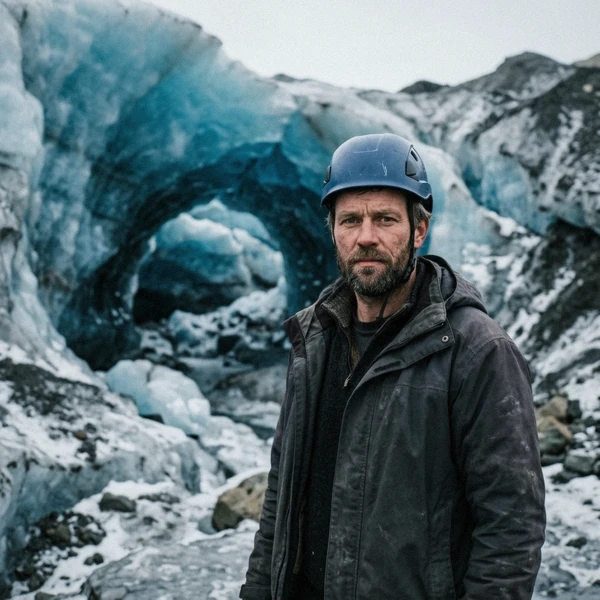
Written from eleven seasons on this glacier. Each one answers a single question properly rather than skimming twelve.